
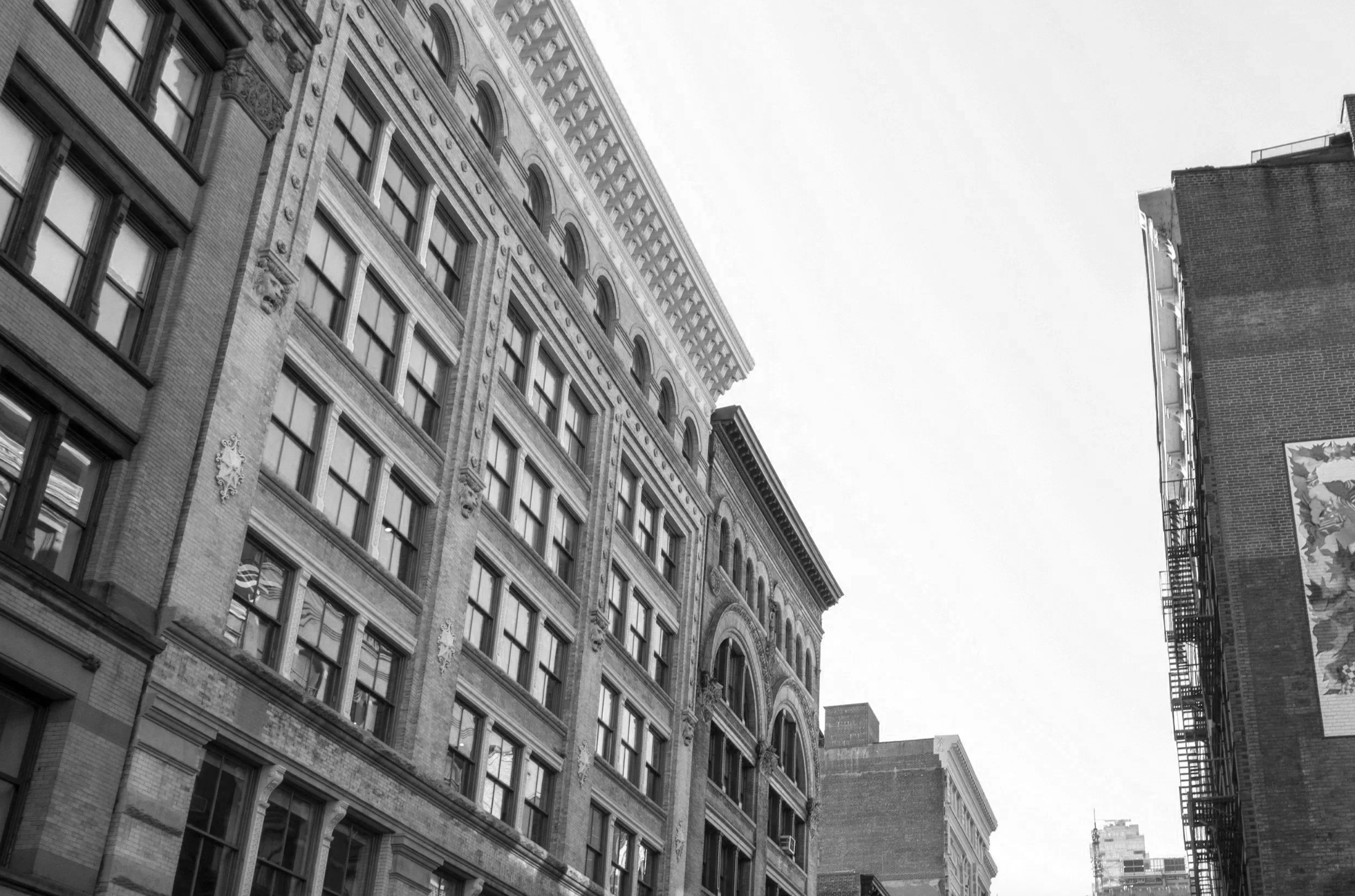
The Future Luxury Buyer: 2026 NYC Conversion & Boutique Residential Insights
For years, luxury residential development in New York City followed a relatively predictable formula. Taller towers. Bigger amenities. More spectacle. More visibility. Prestige was often communicated through scale, excess, and architectural dominance. Luxury became increasingly performative, with many buildings competing for attention in a crowded skyline and an even more crowded digital world. But the luxury buyer is changing.
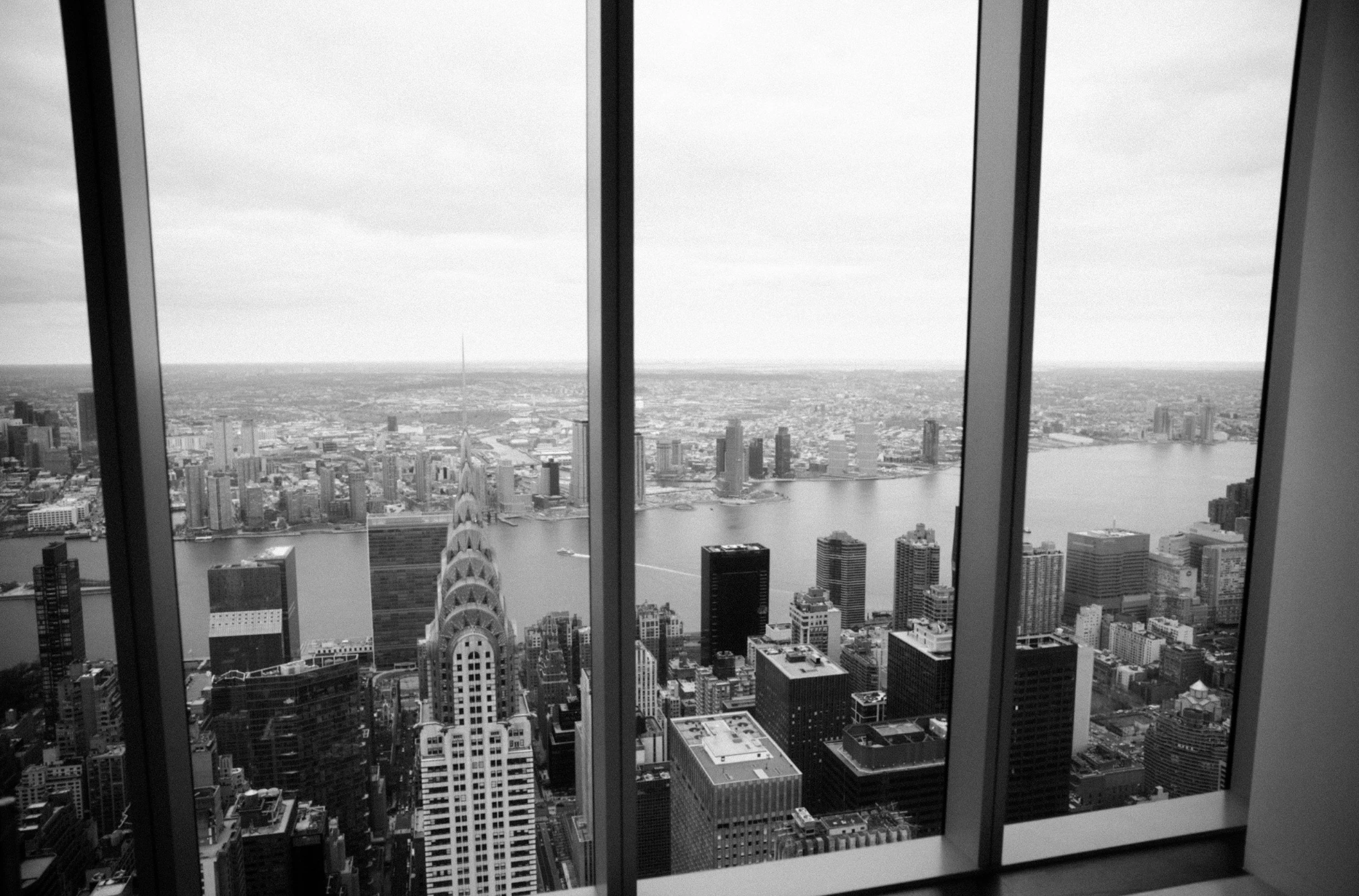
Why Office-to-Residential Conversions Need Warmth, Identity, and Emotional Livability
The success of future conversion projects will depend not only on technical execution, but on whether these buildings can successfully transition from transactional environments into emotionally livable spaces.
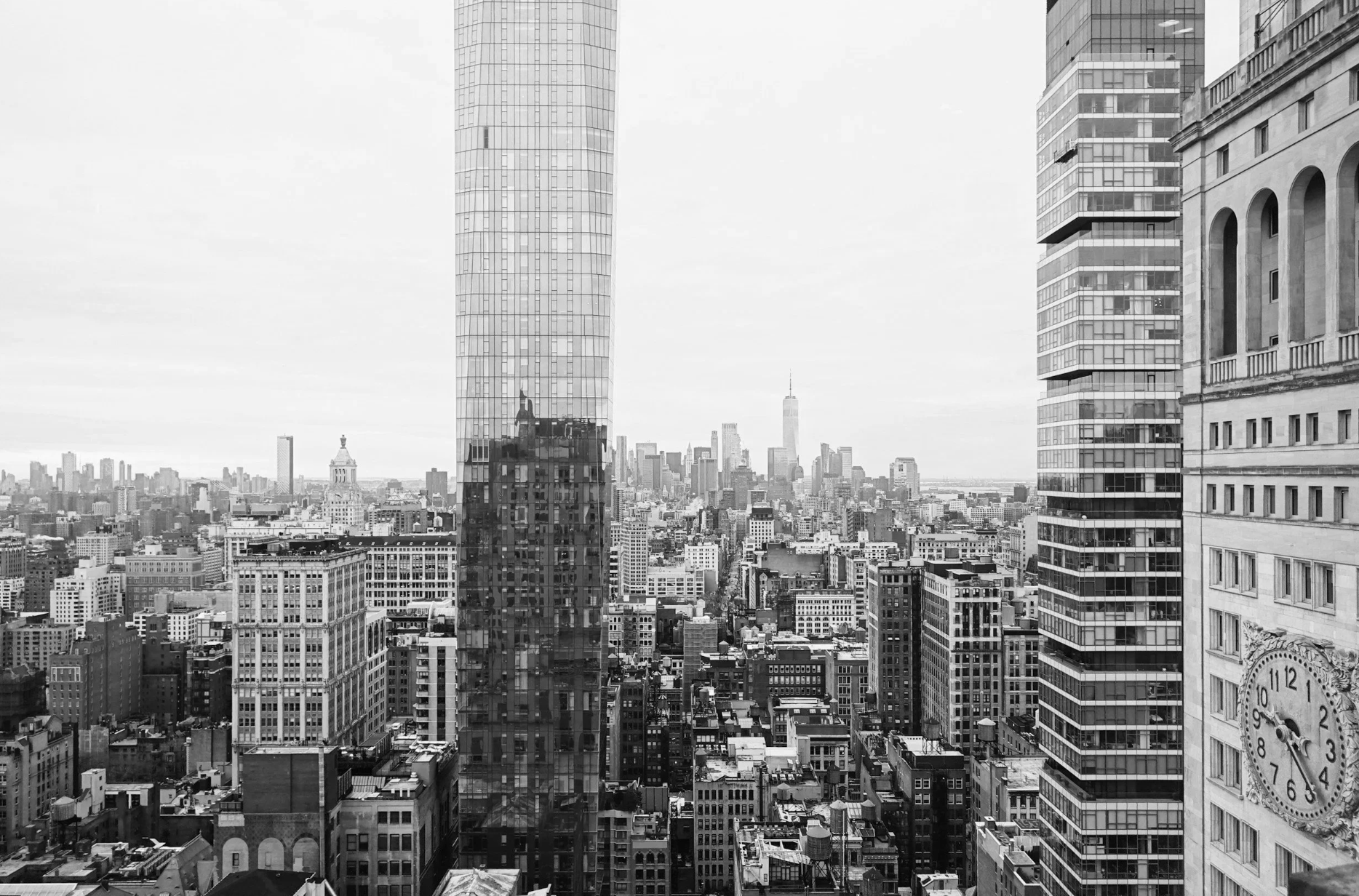
Boutique Luxury Vs. Tower Luxury: Each Require Different Positioning Strategies
Attempting to market boutique projects using tower language can unintentionally dilute the very qualities that make them desirable.
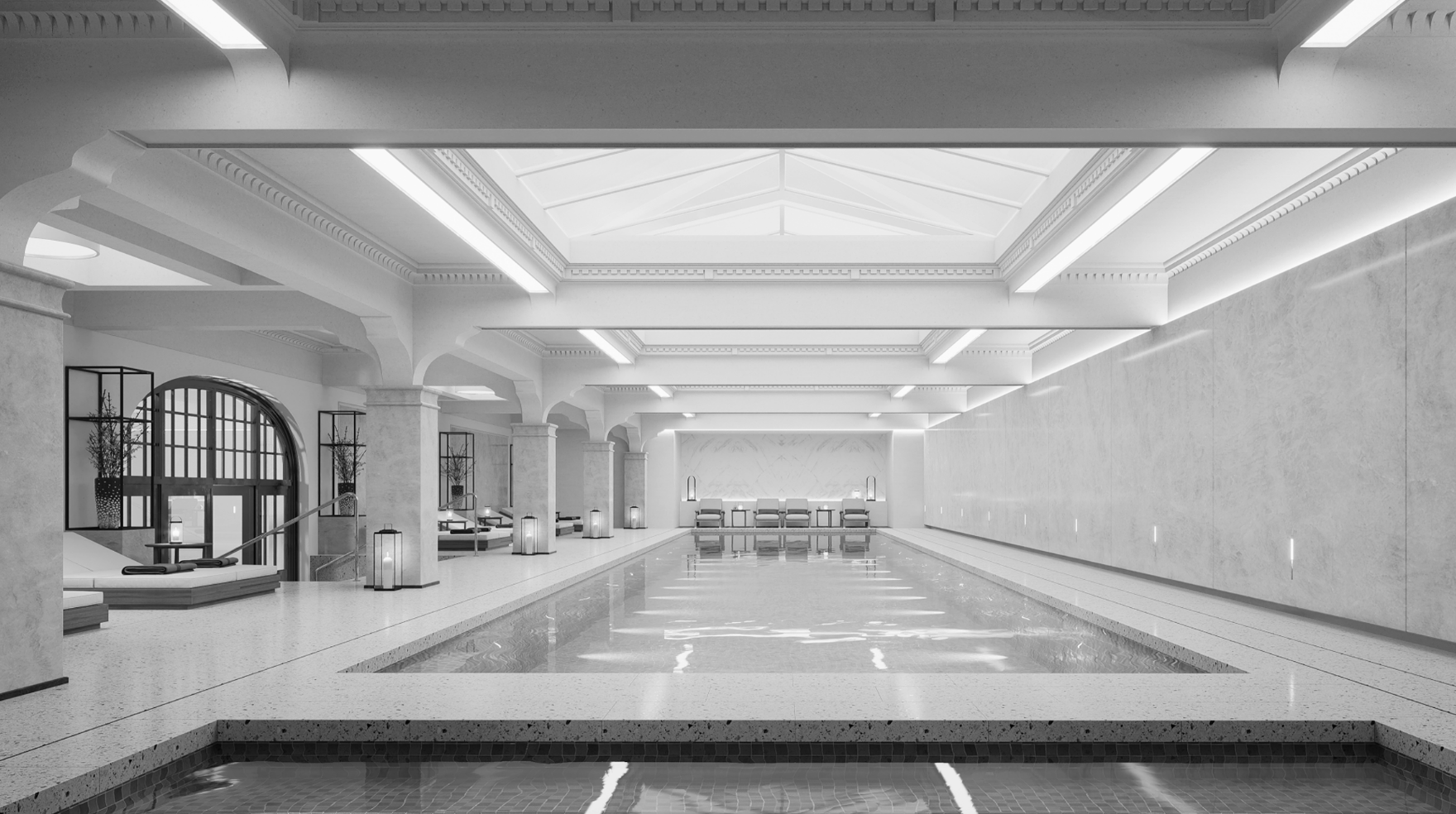
The Amenity Arms Race Is Over: Why Experiential Quality Matters More Than Quantity
The most successful residential environments are increasingly defined not by the number of amenities provided, but by the intentionality, atmosphere, and experiential coherence of those spaces.
How Narrative Strategy Influences Residential Absorption
Narrative strategy is not simply marketing language. It is the process of creating coherence between architecture, lifestyle, positioning, buyer psychology, and market perception.
Why Certain Floor Plans Psychologically Underperform
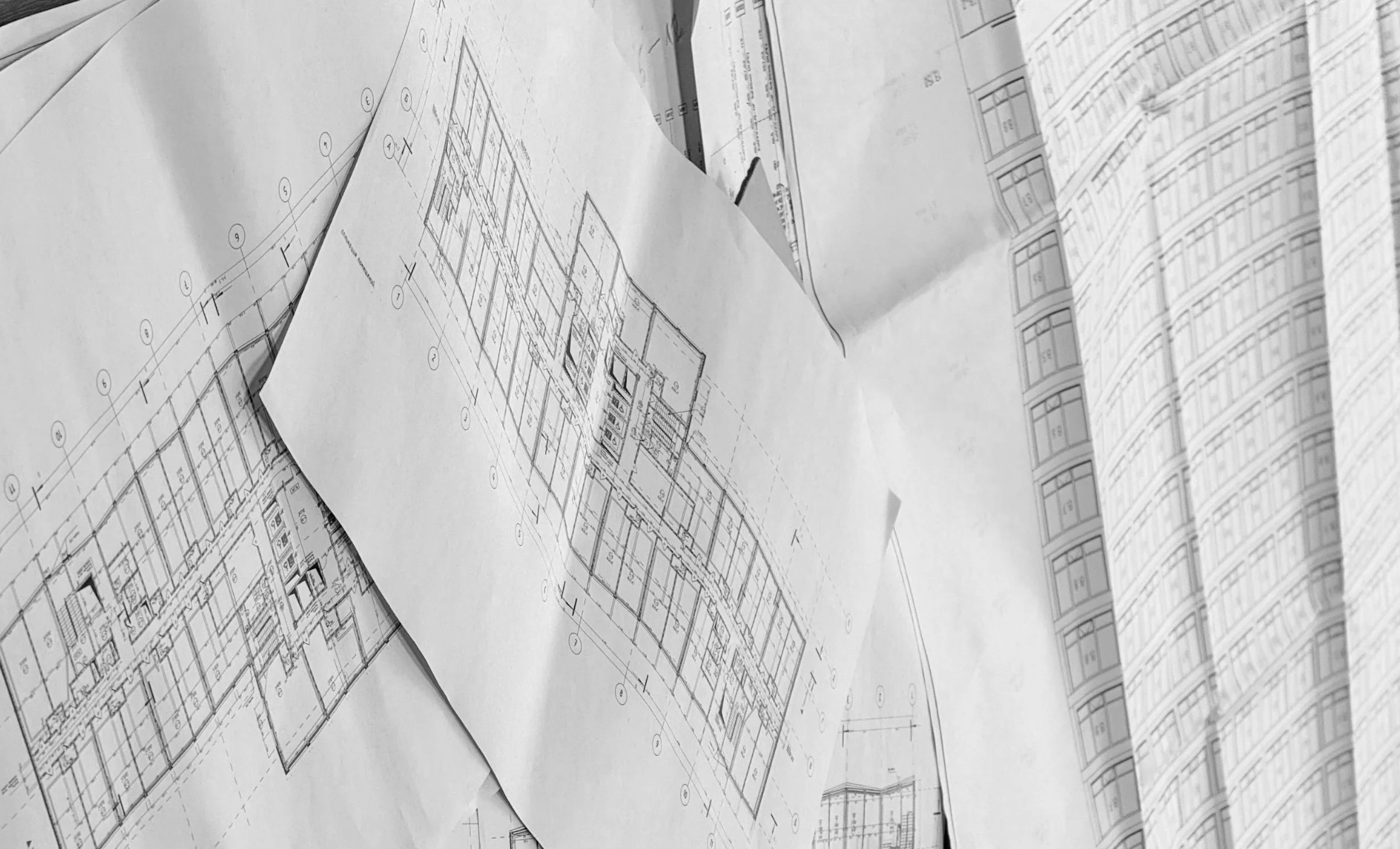
Buyers may not consciously articulate why a residence feels “off,” but they instinctively respond to flow, proportion, orientation, privacy, and emotional usability. A technically functional layout can still feel psychologically unresolved.
The Future of New Development, Marketing & Sales Isn't Visual. It’s Emotional.
There was a time when exposure equaled sales. When the playbook for luxury marketing was about visibility, not intimacy.
But today’s buyer — especially at the high end — isn’t buying exposure. They’re buying identity.
Identity & Becoming: The New Currency of Development Marketing
Luxury real estate isn’t being reshaped by interest rates, inventory, or incentives. It’s being reshaped by emotion — the most powerful force driving UHNW decision-making in 2026.
Today’s buyers aren’t evaluating homes solely through square footage, comps, or amenities. They’re evaluating them through identity.
The Secret That Drives Velocity, Attachment & Conviction at the Highest End of the Market
his is not a philosophical distinction. It is the difference between momentum and stagnation. The issue is not that developers think they are selling square footage. Of course they do. That is how projects are underwritten, priced, approved, and marketed. Square footage is how the industry organizes value.
Why Today’s Luxury Buyers Respond to Resonance, Not Pressure
Luxury real estate has long been shaped by a masculine paradigm: speed, dominance, competition, force, volume, and “winning the deal” at all costs. It’s the legacy of an industry built on hustle, hard-nosed negotiation, and a belief that power comes from pushing harder than the next person.
Why Emotional Relevance Influences Residential Demand
When people talk about ROI in real estate, they’re usually referring to Return on Investment—how much profit a property will yield over time. But there’s another kind of ROI, one that’s harder to measure but deeply felt: Emotional ROI.