Boutique Luxury Vs. Tower Luxury: Each Require Different Positioning Strategies
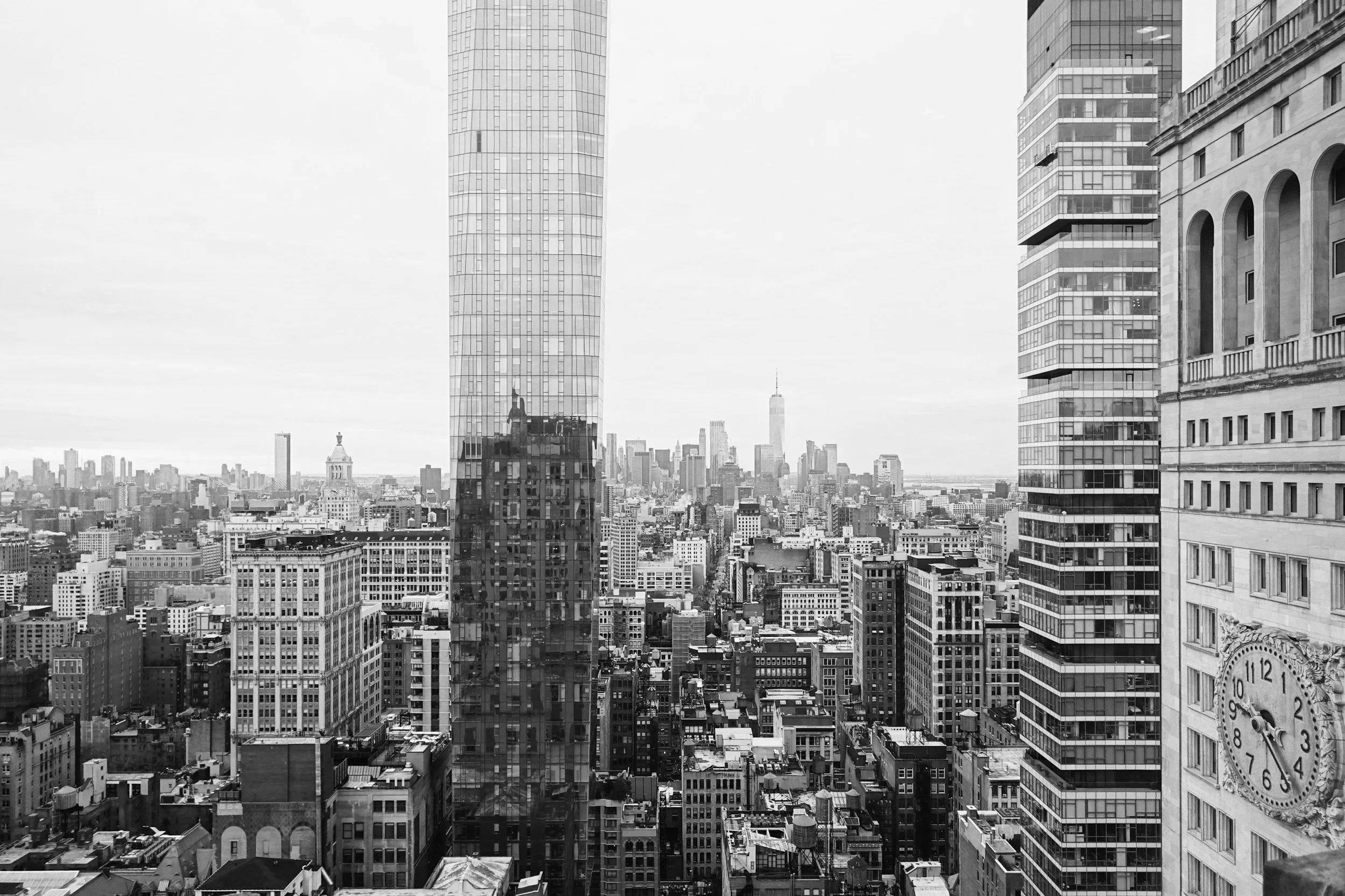
Not all luxury residential projects should be positioned the same way.
One of the most common mistakes in development marketing is applying identical branding strategies to fundamentally different residential typologies.
Boutique luxury and tower luxury operate through different psychological value systems.
Tower luxury often competes through scale, skyline visibility, amenity breadth, service infrastructure, and global recognition. These projects frequently position themselves through prestige, status signaling, and architectural spectacle.
Boutique luxury functions differently.
Its value is often rooted in:
privacy
intimacy
discretion
individuality
emotional quietness
architectural character
scarcity
residential intimacy
Attempting to market boutique projects using tower language can unintentionally dilute the very qualities that make them desirable.
Today’s high-end buyer is increasingly segmented. Some buyers seek visibility and social energy. Others seek retreat, discretion, and emotional separation from highly public forms of luxury.
This distinction has become particularly important in post-pandemic residential behavior, where privacy and experiential calm have become increasingly valuable forms of luxury.
Boutique developments often benefit from positioning strategies centered around:
intentional exclusivity
residential sanctuary
neighborhood integration
architectural restraint
curated lifestyle experience
emotional sophistication
understated luxury
Tower developments, by contrast, may benefit from:
landmark visibility
iconic branding
hospitality scale
expansive amenities
skyline identity
global prestige positioning
Neither approach is inherently superior. They simply serve different psychological buyer motivations.
The strongest residential positioning strategies recognize that luxury is no longer monolithic. Different projects require different emotional narratives, experiential priorities, and market identities.
As buyer behavior evolves, successful developers will increasingly differentiate projects not simply through pricing or finishes, but through a deeper understanding of how different forms of luxury are emotionally experienced.