The Amenity Arms Race Is Over: Why Experiential Quality Matters More Than Quantity
By Christina DiStefano | Founder, CD-DA
For years, luxury residential development operated under a simple assumption: more amenities created more value.
Developers competed through scale — larger fitness centers, more lounges, additional coworking areas, golf simulators, screening rooms, spas, pet facilities, and hospitality programming layered into increasingly expansive amenity packages.
But today’s luxury buyer is becoming more selective, more emotionally aware, and more experience-driven. Quantity alone no longer guarantees desirability.
In many projects, oversized amenity offerings now create dilution rather than distinction.
The most successful residential environments are increasingly defined not by the number of amenities provided, but by the intentionality, atmosphere, and experiential coherence of those spaces.
Buyers are asking different questions now:
Does this building reflect how I actually want to live?
Do these amenities feel elevated or performative?
Is there privacy?
Is there calm?
Does the building create emotional ease?
A highly curated library lounge with thoughtful lighting, acoustic softness, and architectural intimacy may create significantly more perceived value than an oversized amenity floor filled with underutilized programming.
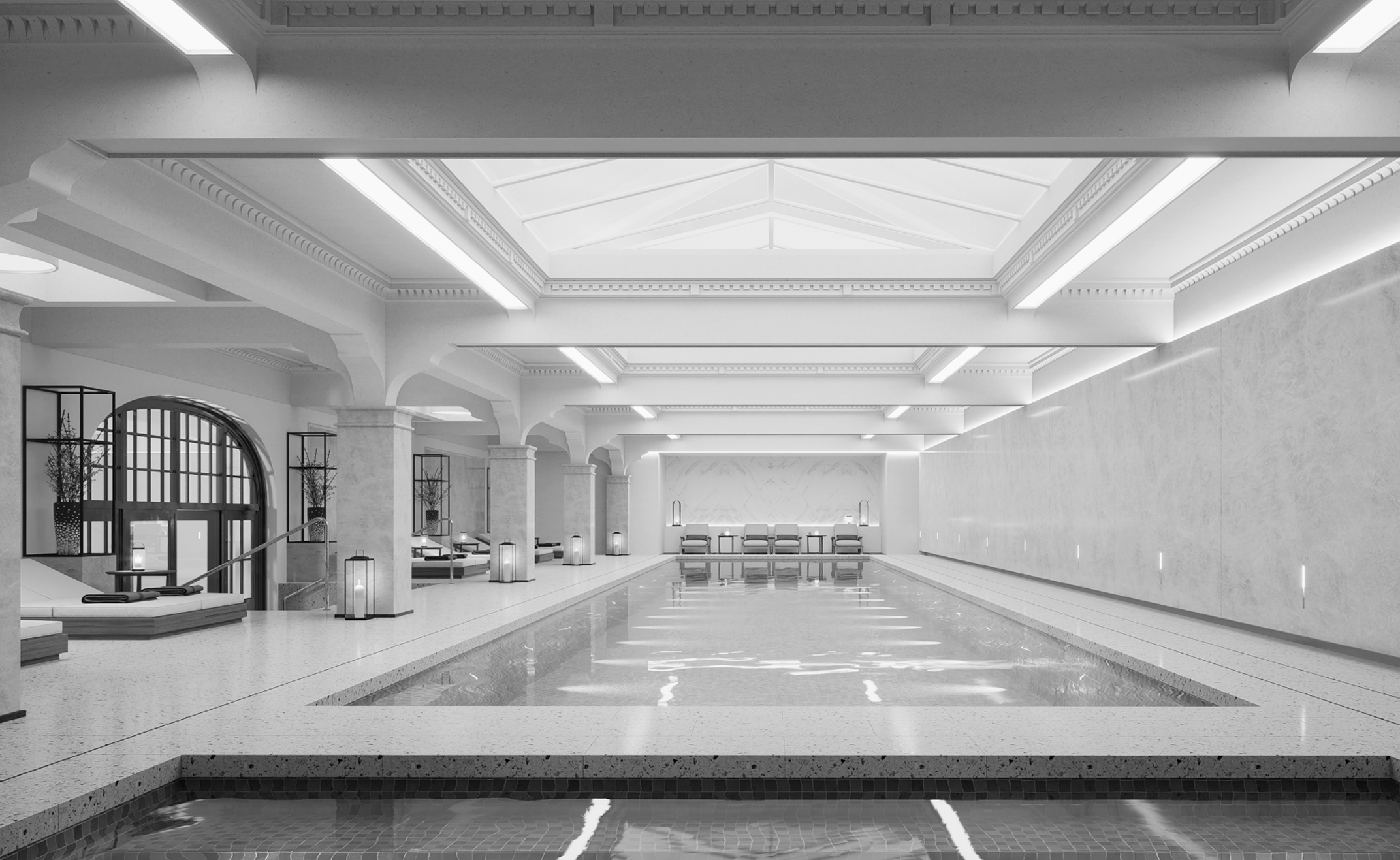
Similarly, wellness has evolved beyond simply including a gym. Buyers increasingly seek environments that support restoration, privacy, flexibility, and emotional decompression.
This shift is particularly important in boutique luxury developments, where restraint often creates stronger differentiation than excess.
Experiential quality is becoming the new luxury currency.
That means:
fewer but more intentional spaces
emotionally cohesive amenity design
stronger hospitality integration
privacy-conscious programming
residential atmosphere over spectacle
environments designed for actual behavioral use
As the luxury market matures, developers who continue competing solely through amenity quantity may increasingly struggle to create meaningful differentiation.
The future of residential luxury will likely belong to projects that understand a simpler principle:
buyers remember how buildings feel far longer than they remember how many amenities were included.
/// Work With CD-DA
CD-DA partners with developers, brands, and real estate professionals to explore the evolving intersection of luxury, buyer psychology, narrative, and experiential strategy.
For advisory inquiries or strategic collaborations: