The Future Luxury Buyer: 2026 NYC Conversion & Boutique Residential Insights
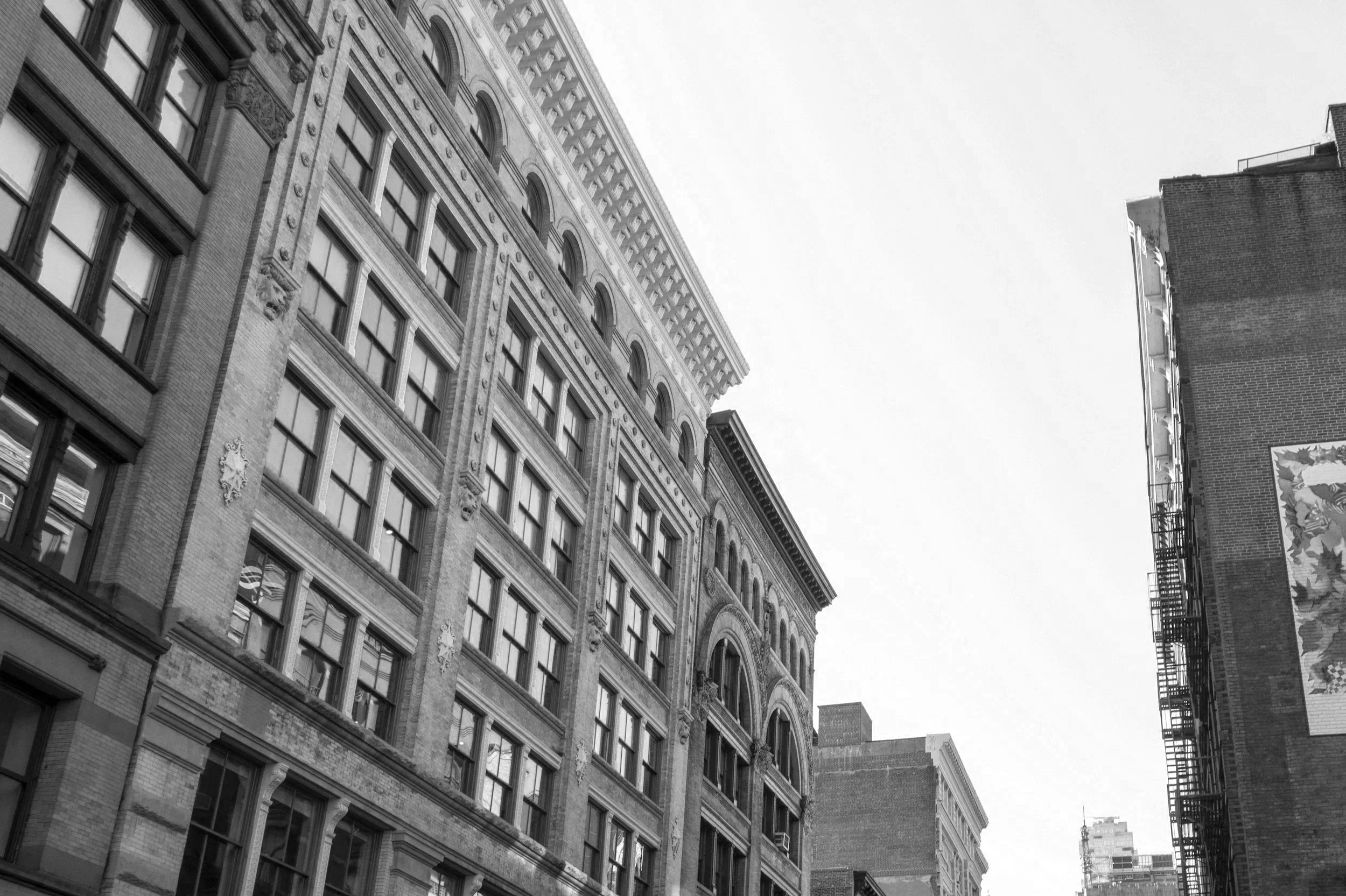
For years, luxury residential development in New York City followed a relatively predictable formula. Taller towers. Bigger amenities. More spectacle. More visibility. Prestige was often communicated through scale, excess, and architectural dominance. Luxury became increasingly performative, with many buildings competing for attention in a crowded skyline and an even more crowded digital world.
But the luxury buyer is changing.
The next era of high-end residential living is not being shaped solely by square footage, marble finishes, or amenity packages. Increasingly, affluent buyers are making decisions through a far more emotional and psychological lens.
They are evaluating how a building supports their lifestyle, emotional well-being, identity, privacy, and overall quality of life.
In many ways, the future luxury buyer is no longer asking, “How impressive is this building?”
They are asking something much deeper:
“How does this building support the way I want to live?”
This shift is beginning to reshape every layer of luxury residential development, from adaptive reuse projects and boutique condominiums to hospitality programming, architectural planning, amenity strategy, and marketing itself.
As New York City enters a new cycle of office-to-residential conversions, experiential living, and post-pandemic lifestyle evolution, developers who understand buyer psychology, not just pricing strategy, will hold a significant competitive advantage.
Privacy Is Becoming the New Prestige
One of the most important shifts shaping luxury real estate today is the increasing value placed on privacy.
For years, luxury was often associated with visibility. Buyers were sold on highly public amenities, social status signaling, and buildings that functioned almost like global luxury brands themselves. But many affluent buyers are now moving in the opposite direction. In a world defined by overstimulation, constant exposure, and digital noise, privacy has become emotionally valuable in a way it was not before.
The future luxury buyer increasingly wants calm.
They want discretion. They want environments that feel emotionally regulated rather than performative. They want homes that create psychological ease.
This is one reason boutique residential developments are gaining renewed relevance. Smaller buildings inherently create a different emotional experience than large-scale towers. Fewer residences, quieter common spaces, discreet arrivals, and a stronger sense of intimacy all contribute to a feeling of sanctuary.
For many high-net-worth buyers, especially those who already have access to visibility, status, and global mobility, the appeal of luxury is no longer about being seen.
It is about being protected.
Developers who recognize this shift have an opportunity to reposition privacy not as a limitation, but as a premium. In many ways, quiet luxury is becoming more emotionally aspirational than overt luxury.
The next era of prestige may not be louder. It may be quieter, calmer, and far more intentional.
Boutique Residential Living Is Gaining Emotional Value
The demand for boutique residential living is not simply a design trend. It reflects a deeper shift in how affluent buyers want to experience daily life.
Large amenity-driven towers will continue to attract certain segments of the market, particularly global investors and buyers seeking highly serviced environments. But there is also a growing segment of luxury purchasers searching for homes that feel emotionally grounded, architecturally personal, and deeply connected to lifestyle.
Boutique buildings often create a stronger sense of emotional ownership. The scale feels more human. Residents feel more connected to the building itself. There is often a greater sense of individuality, warmth, and intentionality.
This is especially true in neighborhoods with cultural identity, architectural history, and walkable lifestyle integration. Buyers are increasingly drawn to environments that feel layered and lived-in rather than overly manufactured.
In many cases, what buyers are truly purchasing is not simply a residence. They are purchasing emotional atmosphere.
This is one reason adaptive reuse and conversion projects are uniquely positioned for the future market. Conversions often contain the very characteristics that emotionally resonate with today’s buyer: texture, depth, ceiling height variation, architectural authenticity, and a feeling of permanence.
Many newly constructed luxury towers are visually beautiful, but emotionally neutral. Conversions, by contrast, often possess narrative and emotional texture before the marketing even begins.
The future luxury buyer increasingly wants homes that feel emotionally warm, even when newly delivered.
Identity-Led Purchasing Is Reshaping Luxury Real Estate
Luxury purchasing has always reflected identity to some degree. But today’s buyer is becoming far more conscious of the emotional relationship between space and self.
Affluent buyers are no longer simply evaluating finishes and floor plans. They are evaluating alignment.
They are asking whether a home reflects the life they are building, the values they hold, and the version of themselves they are becoming.
This represents a major evolution in luxury buyer psychology.
Real estate is no longer functioning solely as a financial asset or status object. Increasingly, it is becoming a tool for emotional regulation, identity reinforcement, lifestyle curation, and personal transformation.
This is where emotional differentiation becomes critical.
Two projects may offer similar pricing, layouts, and amenities. But the development that creates a stronger emotional resonance, through design coherence, narrative, atmosphere, hospitality, and psychological alignment, will often create stronger desirability.
The future of luxury marketing may rely less on feature lists and more on emotional positioning. Buyers want to feel something. They want to feel emotionally supported by the environments they inhabit.
And increasingly, they are willing to pay a premium for spaces that create that feeling.
Hospitality Expectations Are Transforming Residential Development
Another major shift shaping the future luxury buyer is the growing expectation that residential living should feel effortless.
This is where hospitality becomes increasingly important.
But hospitality-driven living does not simply mean adding more amenities. In many cases, luxury buyers are less interested in excessive amenity packages and more interested in environments that reduce friction and increase ease.
The strongest luxury developments of the future will likely focus less on quantity and more on emotional experience.
Buyers increasingly value intuitive service, seamless arrival experiences, wellness integration, thoughtful sensory design, flexibility, and environments that support calm rather than overstimulation.
As affluent individuals spend more time at home — while simultaneously blending work, travel, wellness, and leisure into one integrated lifestyle — residential expectations are becoming more emotionally sophisticated.
Developers who understand atmosphere, emotional pacing, and lifestyle psychology will be positioned differently than those focused solely on visual branding.
The future of luxury residential development may feel less transactional and more experiential.
Adaptive Reuse & Conversion Projects Hold Unique Strategic Opportunity
As New York City continues exploring office-to-residential conversions, one of the most important strategic questions developers must ask is not simply how these projects will function operationally.
It is how they will feel emotionally.
Conversions hold unique advantages that align directly with emerging luxury psychology. They often provide architectural authenticity, depth, intimacy, individuality, and neighborhood integration in ways many large-scale new construction projects cannot.
These buildings frequently lend themselves naturally to privacy-oriented positioning and emotionally resonant branding.
Rather than competing directly with highly visible supertowers, many conversion projects have an opportunity to differentiate through emotional intimacy, architectural character, and identity alignment.
This may become one of the most important strategic opportunities in luxury residential development over the next decade.
Because ultimately, the projects that succeed will not simply understand how buyers want to live. They will understand how buyers want to feel.
The Future of Luxury Is Emotional
Luxury real estate is entering a more psychologically intelligent era.
Developers, marketers, architects, and sales teams who continue relying exclusively on traditional prestige signaling may increasingly struggle to differentiate in an oversaturated market.
The future luxury buyer is more emotionally aware, lifestyle-conscious, and identity-driven than previous generations. They are not simply purchasing access. They are purchasing alignment. This creates an enormous opportunity for developers willing to think beyond specifications and toward emotional resonance.
The next generation of successful luxury residential projects may not be defined solely by height, visibility, or excess. They may be defined by how deeply they understand human experience.